

The NJ E-Bike Law: Day 51 – What the Bike & Walk Summit Revealed About Advocacy
Share
Today marks Day 51 since the New Jersey e-bike law was signed.
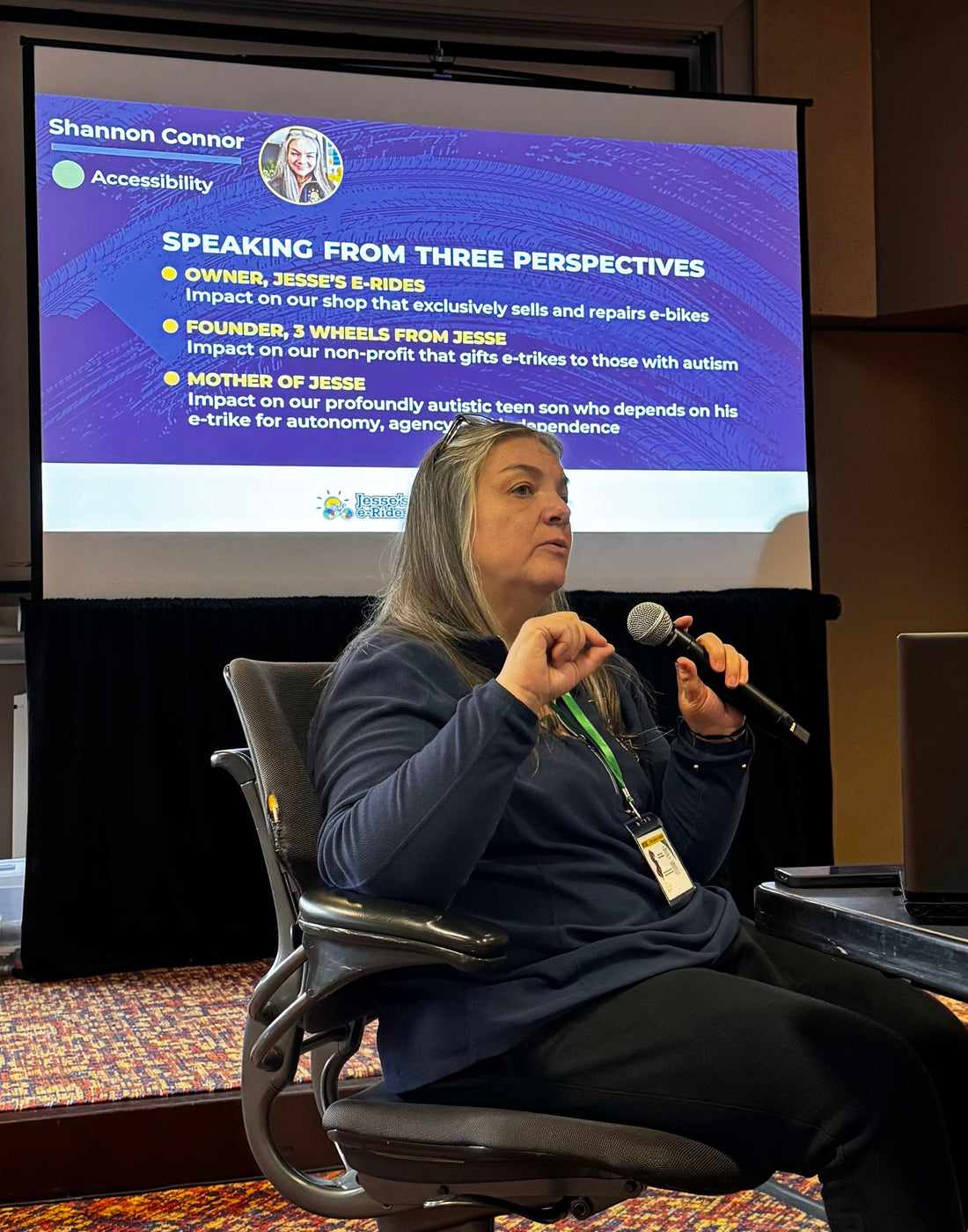
After attending the New Jersey Bike & Walk Coalition Summit, I walked away with several important lessons about how advocacy actually works.
Being on the panel was a great experience, and the summit was well attended. But more importantly, the conversations reinforced something critical about how real legislative change happens.
The Jenga Strategy
Think about the game Jenga.
You do not win by knocking the tower over from the top. You win by pulling support pieces out from the bottom.
Advocacy works the same way.
If you want to influence legislation, the most effective path is often through local representatives who influence decisions higher up the chain.
Calls Matter More Than Emails
One message was repeated again and again at the summit.
Personal phone calls matter more than emails.
Senator Raj Mukherjee, Zoe Baldwin from the Regional Plan Association, and others all emphasized that direct calls from constituents carry far more weight than written messages.
If you want your voice heard, pick up the phone.
Request a Meeting
You do not have to be an expert or an organization to request a meeting with your representatives.
Any constituent can ask.
Even if the legislator cannot meet personally, speaking with their staff still matters. Staff members relay those concerns directly to the decision-makers they work for.
Those conversations are part of how policy priorities are shaped.
Mayors Have Real Influence
Local leadership also plays a major role.
Mayors can have significant influence in shaping how issues move through the legislative process.
If you live in towns such as Linden, Carteret, or Woodbridge, reaching out to your mayor can help elevate concerns about how the current e-bike law affects residents and businesses.
But the same principle applies in communities across the state.
Correcting Media Confusion
Another major takeaway involves the role of the media.
When news articles incorrectly label e-motos as e-bikes, it creates confusion and misinforms the public.
If you see an article or report that misidentifies a vehicle, consider contacting the reporter directly.
Ask what type of device was actually involved and help clarify the difference between e-bikes and e-motos.
Accurate information matters, especially when legislation is shaped by public perception.
Share Your Story
Personal stories are powerful.
If you are disabled or have been negatively affected by the current e-bike law, sharing your experience helps policymakers understand the real-world impact.
Those stories are being collected and shared with the people involved in shaping potential fixes to the legislation.
Industry Support Is Growing
Support from the bike industry is also building.
A call has been organized with bike shop owners across New Jersey, and participation continues to grow. At this point, around 60 shops are already involved in the conversation.
When businesses speak collectively, legislators tend to pay attention.
Do Not Let Up
Momentum matters.
As the weather improves and attention shifts elsewhere, it can be easy for issues to fade from view.
But sustained engagement is exactly what keeps advocacy efforts moving forward.
Calls, meetings, conversations with local officials, and correcting misinformation all help keep pressure on the system.
And that pressure is what drives change.
📂 This update is part of our ongoing NJ E-Bike Law series.
Follow all updates here:
NJ E-Bike Law Playlist on YouTube
📺 Watch the full Day 51 update here:
 Shrewsbury, NJ
 855-88JESSE (855-885-3773)
 hello@jesseserides.com
